
Improving Indoor Air Quality Through Strategic Vapor Management
Creating a healthy indoor environment begins with understanding the importance of maintaining clean air and controlling unwanted vapor movement. Effective vapor management supports comfortable living spaces, promotes building durability, and contributes to long-term environmental protection. Through carefully planned solutions, property owners can maintain better indoor conditions while improving overall building performance. Strategic approaches also encourage healthier surroundings by addressing potential vapor concerns before they affect indoor spaces.
Understanding the Importance of Vapor Management
Vapor management plays an essential role in maintaining indoor air quality. Unwanted soil gases and moisture-related vapors can move through foundations, cracks, and structural openings. Professional assessment and appropriate control methods help maintain a cleaner indoor environment.
Important benefits include:
- Supporting healthier indoor air conditions.
- Reducing unwanted vapor entry through foundation systems.
- Maintaining balanced moisture levels within buildings.
- Improving overall occupant comfort and confidence.
- Supporting long-term structural performance.
- Encouraging proactive environmental protection practices.
Understanding how vapors move through building structures makes it easier to select suitable prevention and control strategies.
Effective Strategies for Better Indoor Air Quality
A well-designed vapor management plan combines assessment, prevention, and continuous performance monitoring. Professional solutions can be adapted to different building designs and environmental requirements.
Some effective approaches include:
- Subsurface depressurization: Helps redirect unwanted soil gases away from occupied areas.
- Foundation sealing: Addresses openings that may allow vapor movement.
- Ventilation improvements: Encourages consistent indoor air circulation.
- Vapor barriers: Creates protective layers beneath floors and foundations.
- Air quality monitoring: Helps evaluate indoor environmental conditions.
- Moisture management: Supports balanced humidity and improved building comfort.
Combining suitable methods creates a coordinated approach that supports dependable indoor environmental conditions.
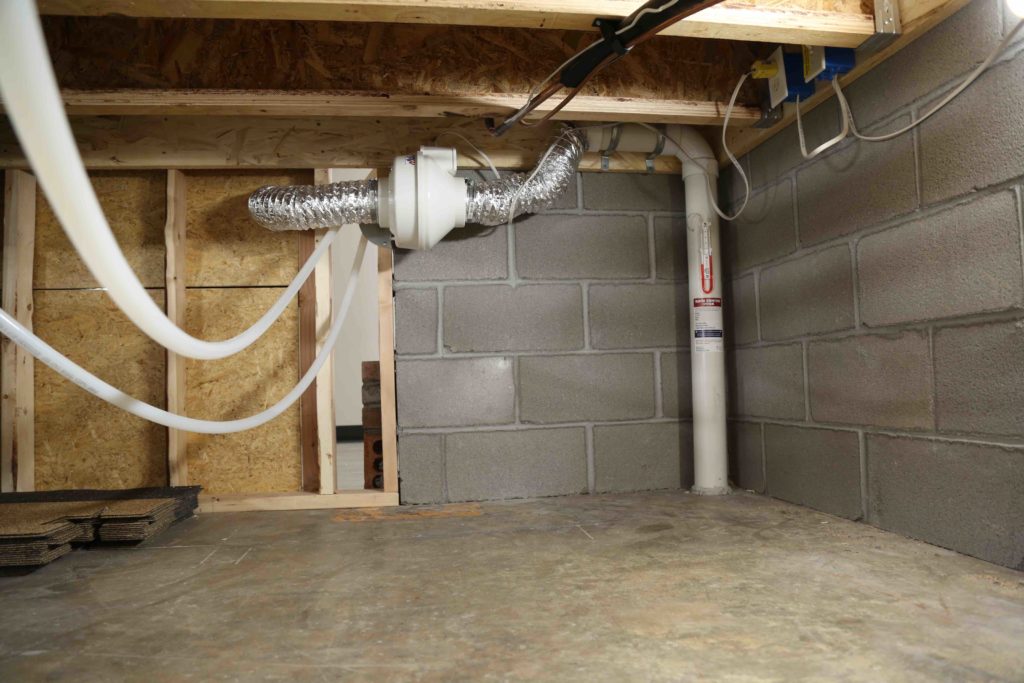
Advantages of Professional Vapor Control Services
Professional vapor management services provide valuable guidance throughout the assessment, planning, installation, and maintenance stages. Experienced service providers evaluate building conditions and recommend practical solutions that support lasting performance.
Key advantages include:
- Detailed property assessments for informed planning.
- Customized mitigation strategies based on structural requirements.
- Carefully selected materials for dependable protection.
- Efficient installation processes that support building operations.
- Regular system evaluations to maintain performance.
- Preventive recommendations for continued environmental improvement.
Property owners can also explore additional information and useful guidance when they visit website resources that explain vapor control methods and indoor air quality improvements.
Maintaining Long-Term Indoor Environmental Quality
Consistent maintenance helps preserve the effectiveness of vapor management systems. Regular inspections and timely adjustments allow property owners to maintain reliable protection while supporting healthier indoor environments.
Useful maintenance practices include:
- Scheduling periodic system inspections.
- Checking ventilation equipment for consistent operation.
- Maintaining foundation seals and protective barriers.
- Monitoring indoor humidity and air quality indicators.
- Addressing maintenance requirements promptly.
- Reviewing system performance as building needs change.
Building Healthier Indoor Spaces Through Prevention
Strategic vapor management offers a positive pathway toward cleaner indoor air, improved building performance, and lasting environmental confidence. By combining professional assessments, suitable mitigation technologies, and consistent maintenance, property owners can establish dependable protection. Investing in preventive measures supports comfortable indoor spaces while strengthening the overall quality, functionality, and sustainability of buildings for years to come.